You must have regular cleaning scheduled according to potential hazards, food processing capacity, food allergen presence, and regulatory checks, combined with verification documentation supporting food safety protocols, regulatory audits, and government health requirements. The following sections detail essential sanitation program components.
Important Highlights
- Brampton's food safety cleaning professionals maintain restaurants, grocery departments, commissaries, warehouses, bakeries, schools, mobile vendors, and allergen-sensitive operations.
- Cross-contamination avoidance is accomplished by sanitizing frequently contacted areas, food-contact equipment, kitchens, floors, drains, restrooms, and storage areas with zone-based workflows.
- Proper chemical concentration, alignment, and contact time are verified by approved contractors, with finalization documented via tests, assessments, and remedial documentation.
- Hazard, throughput, changeovers, incidents, and standards need to direct maintenance schedules, with routine, weekly, and annual tasks designated by area.
- Select contractors with hazard analysis knowledge, public-health, understanding, safety training, training, protection, testimonials, color-coded equipment, and compliance-ready maintenance files.
Brampton Facilities That Need Food Safety Cleaning: Which Ones?
Brampton venues that handle, store, prepare, package, or serve food require food sanitation. Implement it if your business is falls under health department oversight, food standards, or HACCP systems. The rule covers eateries, dining facilities, warehouses, supermarket areas, meat counters, fish departments, retail outlets, and institutional kitchens.
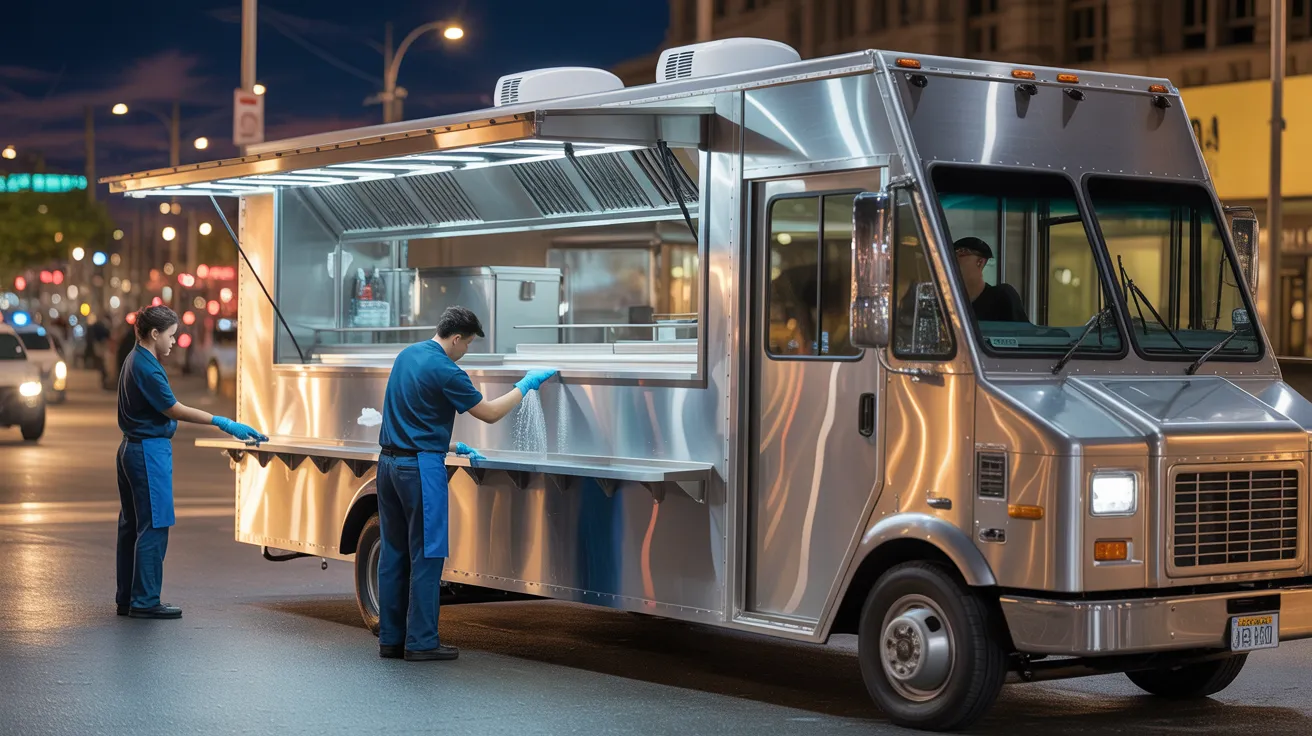
Proper hygiene protocols continues to be necessary in warehouses, food manufacturing plants, cold storage sites, retail bakeries, school nutrition programs, banquet halls, and meal delivery hubs. Portable temporary ventures are included, including food trucks, event sellers, and temporary stalls. Your venue needs established hygiene documentation if your staff process ingredients, portion ready-to-eat items, reheat products, or store allergens. In Brampton, sanitation stays elective; it forms part of regulatory, business, and safety compliance.
Which Areas Do Brampton Cleaning Experts Cover?
Your operation needs cleaning professionals who disinfect frequently contacted surfaces, kitchens, floors, and restrooms to maintain food safety compliance and public health standards. These zones receive attention due to their elevated cross-contamination potential, trip and slip dangers, and breaches of sanitation codes.
Understanding their cleaning procedures allows you to confirm your facility's cleaning meets required standards and regulations.
High-Touch Surface Sterilization
Brampton cleaning services highlight high-touch surface cleaning due to the danger of bacteria, viruses, and food residue transmitting across the establishment. You should establish a scheduling system for disinfecting door handles, push plates, switches, railings, shared equipment controls, POS terminals, and refrigerator pulls. Employing surface identification mapping, experts identify every frequently handled area and assign cleaning schedule
by changing wipes, maintaining directional processes, and dividing cleaning tools separate by zone
Cooking Zones, Walking Surfaces, and Restroom Environments
Brampton cleaning services zero in on kitchens, floors, and restrooms as each zone involves distinct sanitation, slip-and-fall, and wellness risks. In industrial kitchens, you need degreasing on cook lines, equipment exteriors, drains, prep surfaces, and splash zones to minimize contamination and pest pressure.
Floor care that see the facts is documented should equally be anticipated. Technicians scrub and extract buildup from grout, tile, and vinyl flooring, then apply correct drying techniques so you can limit falls and maintain code-compliant conditions. They also handle entry points where dampness and dirt enter the building.
Restroom sanitation requires disinfecting touch areas, bathroom equipment, stall barriers, supply stations, and bins, restocking supplies and controlling odours. They also maintain restaurant cleaning supply rooms where product storage, sink cleanliness, and drain systems impact daily sanitation standards and worker protection.
The Importance of Food Safety Cleaning in Brampton
Brampton operations require food-safe cleaning standards to meet health code requirements and pass inspections. You also reduce bacterial spread through proper cleaning of food-preparation surfaces, appliances, and frequently-touched items. Most importantly, you safeguard public health by lowering the risk of foodborne illness in your facility.
Regulatory Code Requirements
Brampton food businesses must comply with stringent health requirements, so hygiene maintenance is vital to meeting health codes, safeguarding customers, and avoiding penalties. You must maintain sanitized food contact points, written maintenance records, safe chemical management, and documented employee protocols that comply with municipal and provincial inspection expectations.
During inspections of your operation, regulators analyze if your sanitation system ensures protected inventory management, machinery hygiene, waste handling, and facility cleanliness.
Contamination Prevention
Maintaining health code standards copyrights on your capacity to prevent cross-contamination during daily food handling and cleaning. You need to partition uncooked items from finished dishes, sanitize prep surfaces between tasks, and store chemicals away from food-contact items. Clear procedures reduce transfer risks and reinforce steady regulatory adherence.
Implementing allergen separation helps keep priority allergens from contacting shared surfaces, containers, or equipment. Deploy dedicated cutting boards, color-coded tools, and strict utensil labeling so workers don't combine products while preparing or distributing. Enforce hand hygiene following raw meat, seafood, eggs, or allergen-containing products. Refresh cleaning cloths often, and validate disinfectant levels using test strips. When you train staff to follow these controls per shift, you create a cleaner, safer operation that satisfies Brampton's food safety needs regularly.
Public Health Protection
When sanitation protocols fails, you don't just risk a failed inspection—you heighten the likelihood of foodborne illness impacting customers, staff, and the wider Brampton community. You also undermine your responsibility in protecting public health, especially in busy food facilities where contamination can spread quickly through surfaces, equipment, and touchpoints.
You must establish sanitation protocols that remove contaminants, disinfect correctly, and verify outcomes. This requires following contact periods, utilizing approved disinfectants, logging schedules, and instructing staff to meet health-unit expectations. These controls promote pathogen reduction by limiting pathogens before reaching food or hands. Across Brampton, strong cleaning protects at-risk populations, reduces disease potential, and shows your diligence. When you follow standards, you go beyond requirements—you substantially lower hazards and enable safer food service city-wide.
Why Is Cleaning Essential for Food Safety Compliance?
Prioritizing rigorous cleaning routines underpins food safety compliance by lowering contamination exposure, preventing pathogen multiplication, and ensuring your facility complies with sanitation requirements under HACCP-based programs and public health regulations. You validate that food-contact surfaces appear visibly clean and microbiologically controlled, facilitating documented preventive controls and inspection readiness.
Cleaning efforts additionally fortify allergen control by clearing residues that can trigger undeclared allergen exposure.
When Ought You Schedule Commercial Cleaning?
spill incidents, and following-maintenance work
monthly schedules for drain systems, vents, storage racks, and hard-to-reach zones, according to inspection data and sanitation documentation.
Selecting the Right Brampton Cleaning Experts: Key Considerations
Begin by evaluating providers based on food-safe sanitation requirements—not solely on price alone. You should confirm that each organization comprehends CFIA, public health, and HACCP-based requirements applicable to your facility. Request proof of insurance, WHMIS compliance, staff training documentation, and oversight procedures. Assess whether technicians recognize cross-contamination risks, chemical handling protocols, and verifiable sanitation records.
You should further examine service consistency and accountability. Request testimonials from Brampton food businesses, then review response times, corrective-action procedures, and communication standards. Validate the company supports supplier audits and can present inspection-ready documentation to regulators or external parties. Confirm equipment receives maintenance, color-coded implements are used appropriately, and site-specific hazards are recognized. A qualified provider protects compliance, product quality, and your brand reputation.
What's covered in a sanitation cleaning strategy?
Document a framework that defines every sanitation activity, guideline, and role before production begins. You should record cleaning frequencies, approved chemicals, dilution rates, contact times, tools, and verification methods for each area, surface, and device. Ensure you include pre-operational inspections, corrective actions, and employee training requirements.
Your framework should also include cross-contamination controls, waste handling, pest-prevention measures, and documented schedules for bathrooms, drainage, ground surfaces, and food-handling zones. Specify how you'll separate raw and ready-to-eat processes, support ingredient tracking, and maintain accurate allergen labeling through validated cleaning between product changes. You should establish accountability, preserve signed records, and review results against regulatory standards, HACCP controls, and customer requirements. When gaps appear, adjust procedures immediately and retrain staff.
Commonly Asked Questions
Do cleaning services work during nighttime hours at Brampton properties?
If you operate regulated spaces, you'll also require records that support inspections and maintain compliance.
Are hazard containment solutions provided from Brampton cleaning experts?
Yes, you can discover many Brampton sanitation experts providing hazard containment options. They manage contamination, evaluate risks, isolate contamination, and begin swift decontamination to minimize exposure and avoid operational impact. You should verify response rates, credentials, PPE measures, and disposal methods. If your facility must meet compliance standards, select a service that tracks incidents, adheres to standards, and supports verification.
Are eco-friendly disinfectants secure for food-handling equipment?
Definitely, green disinfectants work safely on surfaces contacting food if you select disinfectants approved for food contact that comply with compliance requirements. You need to verify contact times, mixing proportions, and rinse procedures in advance of use. Botanical formulations lower toxic chemical contact, but you must have demonstration of efficacy against specific pathogens. To keep surfaces residue-free, follow precise manufacturer instructions and verify your disinfecting agent satisfies food industry regulations.
Can cleaning schedules adapt with seasonal production changes?
Absolutely, cleaning schedules can be customized for production fluctuations. Adjust frequencies, staff levels, cleaning agents, and validation steps to correspond to production rhythms while sustaining regulatory adherence. Minimize production interruptions through planning sanitization amid changeovers, peak seasons, and usage patterns. Additionally, update SSOPs, staff education, and facility monitoring to reflect periodic risks, novel allergens, or elevated soil levels. Frequent reviews ensure your strategy functional.
Do commercial cleaners educate employees on sanitation best practices?
Certainly, commercial cleaners coach your employees on hygiene protocols. You obtain staff training on proper chemical use, processing times, contamination control, machine disassembly, and documentation. They typically align instruction with HACCP, GMP, and CFIA or regional health bodies requirements. Many also run sanitation audits to check standards, identify gaps, and reinforce corrective actions. This enables you to copyright standard processes, satisfy audits, and reduce food safety risks every day.
Closing Remarks
By collaborating with Brampton food safety and commercial cleaning professionals, you aren't simply tidying—you maintain your facility inspection-ready and your practices in compliance. From production areas to kitchen zones, every sanitized surface and maintained corner reduces pest risk and prevents costly issues. By arranging service on the right schedule and following a documented cleaning plan, you secure staff members, customers, and your standing. In a heavily controlled environment, hygienic conditions are mandatory—they're essential to successful operations.